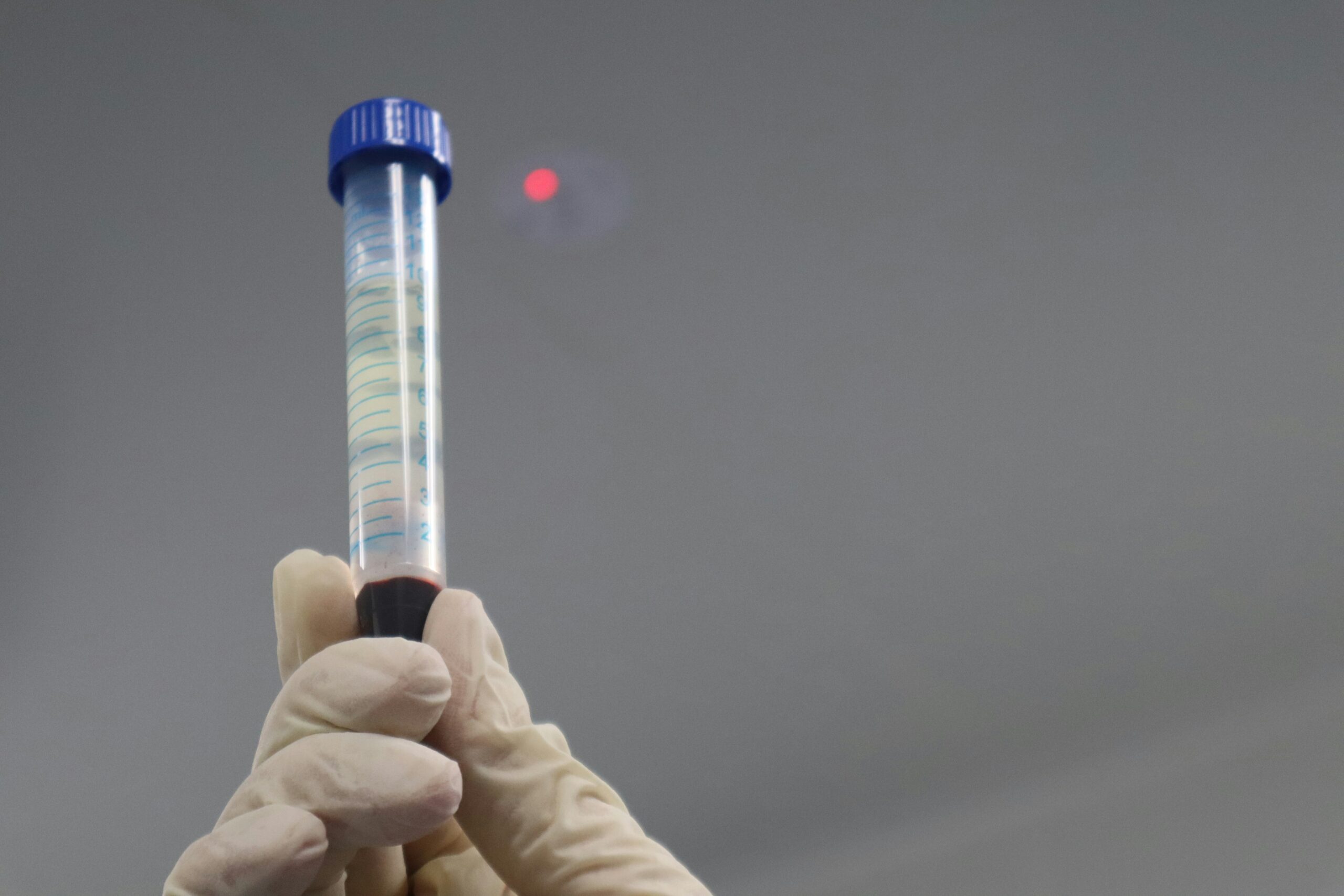
As the healthcare industry continues to evolve, there is a growing demand for specialized medical professionals who can offer multi-faceted expertise. One such emerging role is the Cardio-Phlebotomy Technician (CPT), a professional who combines skills in both phlebotomy (blood drawing) and electrocardiography (EKG) to provide critical support in healthcare settings. This specialized career is gaining traction due to the increasing need for comprehensive patient care, where efficient diagnostics and procedures are paramount.
In this blog, we’ll explore what it means to be a Cardio-Phlebotomy Technician, what the job entails, and how you can pursue a rewarding career in this field.
Understanding the Role of a Cardio-Phlebotomy Technician
A Cardio-Phlebotomy Technician is a healthcare professional who is cross-trained in two essential medical tasks: phlebotomy and electrocardiography (EKG). The role of a CPT is unique because it combines two highly valued skills, making these technicians indispensable in a variety of healthcare environments, including hospitals, clinics, and diagnostic laboratories.
Phlebotomy, the process of collecting blood, is a crucial component of many medical procedures, from routine blood tests to life-saving transfusions. Phlebotomists are skilled at drawing blood from veins or capillaries, and they must ensure that the procedure is done safely and with minimal discomfort to the patient. On the other hand, EKG technicians monitor the electrical activity of the heart, providing valuable diagnostic information to physicians. These professionals are trained to interpret heart rhythms, helping to identify heart conditions such as arrhythmias, heart attacks, or other cardiac issues.
By mastering both phlebotomy and EKG administration, Cardio-Phlebotomy Technicians are able to offer healthcare providers a well-rounded skill set that enhances the efficiency and effectiveness of medical care. In addition to technical expertise, CPTs must have strong interpersonal skills, as they frequently work with patients who may feel anxious about medical procedures.
Key Responsibilities of a Cardio-Phlebotomy Technician
The responsibilities of a Cardio-Phlebotomy Technician vary depending on the healthcare setting, but typically, their duties include both drawing blood and performing EKG tests.
Blood Collection
One of the primary responsibilities of a Cardio-Phlebotomy Technician is collecting blood samples for laboratory analysis. This process involves performing venipuncture (drawing blood from a vein) or capillary collection (using a fingerstick or heelstick for infants). Technicians must be proficient in handling blood collection equipment, ensuring that it is sterile and used correctly to avoid contamination. They also play a role in labeling and safely transporting blood samples to the laboratory for further testing. Since blood collection can be uncomfortable or intimidating for patients, a key part of the technician’s job is making the patient feel comfortable and providing clear explanations about the procedure.
Electrocardiography (EKG) Testing
In addition to phlebotomy, Cardio-Phlebotomy Technicians are trained to perform EKG tests. These tests monitor the electrical activity of the heart by placing electrodes on the patient’s body. The CPT is responsible for ensuring that the electrodes are placed correctly and that the patient remains still during the test. Once the test is complete, the technician may assist in interpreting the results or pass them along to a physician for further analysis. EKG testing is vital for diagnosing heart conditions such as irregular heart rhythms, heart attacks, and other cardiovascular diseases. As such, the accuracy and reliability of the test are essential for proper diagnosis and treatment planning.
Patient Interaction
Cardio-Phlebotomy Technicians are often the first point of contact for patients undergoing blood collection or EKG testing. As such, they must be able to communicate effectively with patients, explaining procedures and addressing any concerns or fears. Many patients feel anxious about blood draws or heart tests, so it’s essential that the CPT is calm, reassuring, and empathetic. Building a rapport with patients not only makes them more comfortable but also ensures that procedures go smoothly and efficiently.
Equipment Maintenance and Safety
A key aspect of the Cardio-Phlebotomy Technician’s role is maintaining the medical equipment used in both blood collection and EKG testing. This includes ensuring that all equipment is cleaned, sterilized, and functioning properly. Proper maintenance and calibration of EKG machines are particularly important, as accurate readings are vital for diagnosing heart conditions. Technicians are also responsible for ensuring that all safety protocols are followed, including the proper disposal of needles and other medical waste.
Find a Future in Healthcare Today
The role of a Cardio-Phlebotomy Technician is vital to the healthcare industry, combining expertise in phlebotomy and electrocardiography to support accurate diagnoses and patient care. Technicians in this field are essential in various medical settings, from hospitals to outpatient clinics, where their skills help to streamline operations and improve patient outcomes.
If you’re interested in pursuing a rewarding career in healthcare and want to gain a specialized skill set, becoming a Cardio-Phlebotomy Technician could be an excellent path.
Ready to begin your career as a Cardio-Phlebotomy Technician? Explore top-quality bootcamps and training programs that offer comprehensive education and certification in this in-demand field. Visit Best Bootcamps to find accredited programs that will help you get started on your journey toward becoming a certified Cardio-Phlebotomy Technician.