In the digital age where user experience (UX) can make or break a product, UX designers hold the reins to the user’s journey through a product or service. They are the architects of digital experiences, crafting the blueprints that help users interact with apps, websites, and software in the most intuitive and enjoyable way possible. As the tech industry continues to flourish, the role of the UX designer has become increasingly crucial. The demand for skilled UX designers has skyrocketed, leading to a rise in opportunities and the need for specialized education in this field.
A day in the life of a UX designer is varied and dynamic. It involves a blend of creative thinking, psychology, and technology, requiring a unique set of skills that are honed over time. From research to design implementation, UX designers are involved in every step of the product development process, ensuring that the end-user’s needs and desires are not just met but exceeded. Now, let’s delve into the typical daily activities that give us insight into this intriguing profession.
Research and User Analysis
UX design begins with understanding who the users are and what they need. The day of a UX designer often starts with research activities. This could involve analyzing data from user tests, conducting surveys, or reviewing feedback from customer service interactions. They dive deep into the minds of users, constructing personas and empathy maps to get as close as possible to the user experience. This research is critical as it lays the foundation for all design decisions to come.
Continuing with user analysis, a UX designer may spend part of their day in user interviews or observing user behavior. These activities help them gather qualitative insights that quantitative data cannot fully capture. They look for patterns in how users interact with current designs, identifying pain points and areas for improvement. Understanding these nuances allows designers to create solutions that resonate on a human level.
Ideation and Prototyping
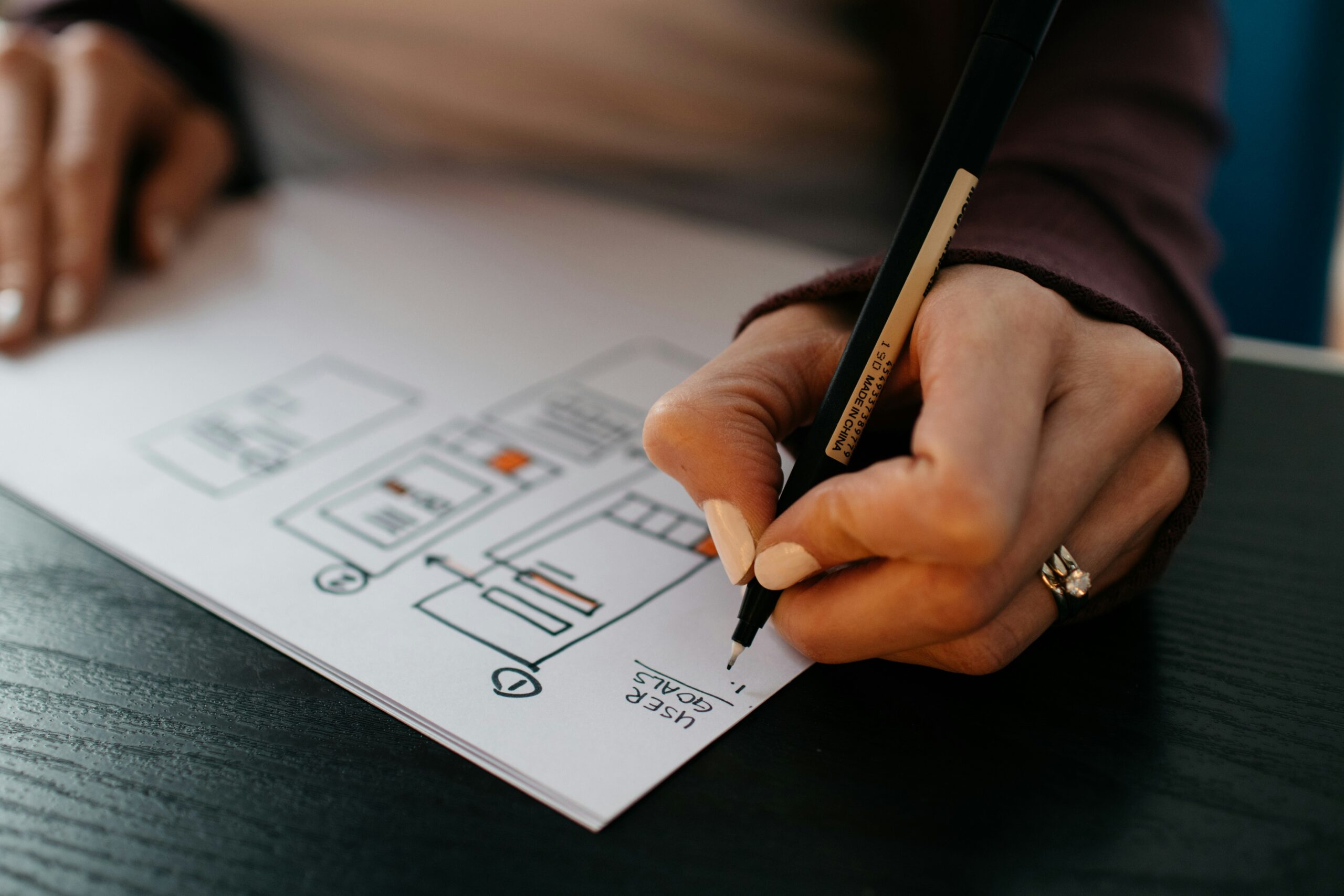
After gathering enough data, UX designers transition into ideation mode. They brainstorm and sketch out ideas to solve the user’s problems identified during research. Designers often use whiteboards or digital tools to map out user flows and create wireframes, setting the stage for the design of the product.
With ideas in place, it’s time to bring them to life through prototyping. UX designers create low-fidelity prototypes to test the viability of their ideas. This iterative process involves creating, testing, getting feedback, and refining the design. Prototypes can range from simple paper models to interactive digital mockups, allowing designers to quickly identify what works and what doesn’t before investing in higher-fidelity versions.
Collaboration with Teams
No UX designer works in isolation. Collaboration is a significant part of their daily routine. They work closely with user interface (UI) designers, product managers, and developers to ensure that the UX vision is aligned with business goals and technical constraints. Meetings and design sprints are common, where designers present their findings, brainstorm with teammates, and plan the development of the UX features.
Communication is key in these collaborations. UX designers must clearly articulate their design rationale and be open to feedback from other team members. This exchange of ideas often leads to a more robust and user-centric product, as it combines different perspectives and expertise.
User Testing and Feedback Integration
Once a prototype is deemed ready, it’s time for user testing. UX designers observe users interacting with the prototype, noting any confusion or frustration. These testing sessions are crucial for validating design choices and ensuring the product is on the right track.
After testing, UX designers must be adept at integrating feedback into their designs. They sift through the data, decide which feedback to prioritize, and make necessary adjustments. This process is repeated as many times as needed to refine the product’s UX until it meets the highest standards of usability.
Staying Updated with UX Trends
The tech industry is fast-paced, and UX trends evolve quickly. Part of a UX designer’s day is dedicated to staying current with the latest design trends, technologies, and methodologies. They may read articles, attend webinars, or participate in workshops to keep their skills sharp and their designs innovative.
Continuous learning is not just about keeping up with trends; it’s also about reflecting on personal growth. UX designers often review their past projects to critique their work and identify areas for improvement. This self-analysis is essential for professional development and staying competitive in the field.
Documentation and Delivery
UX design is also about creating clear documentation. Designers must ensure that their visions and prototypes are well-documented for developers to implement correctly. They create design specifications, annotate wireframes, and write guidelines that explain how the design should behave and look in its final form.
The delivery of these documents marks the end of one cycle and the beginning of another. It’s the culmination of a UX designer’s daily efforts, transforming abstract ideas into concrete, actionable plans that will shape the user’s experience of the product.
Get Started in UX Today
The role of a UX designer is as challenging as it is rewarding, requiring a mix of empathy, creativity, and technical knowledge. With the growing importance of user-centered design, there has never been a better time to pursue a career in UX design.
For those looking to break into this dynamic field, Best Bootcamps has a collection of curated UI/UX bootcamps for you to choose from. Identify your learning preferences, skills, and intended future career, and we’ll pair you with a digital UI/UX bootcamp that teaches the skills today’s employers want, without the heavy costs associated with a traditional college degree program.